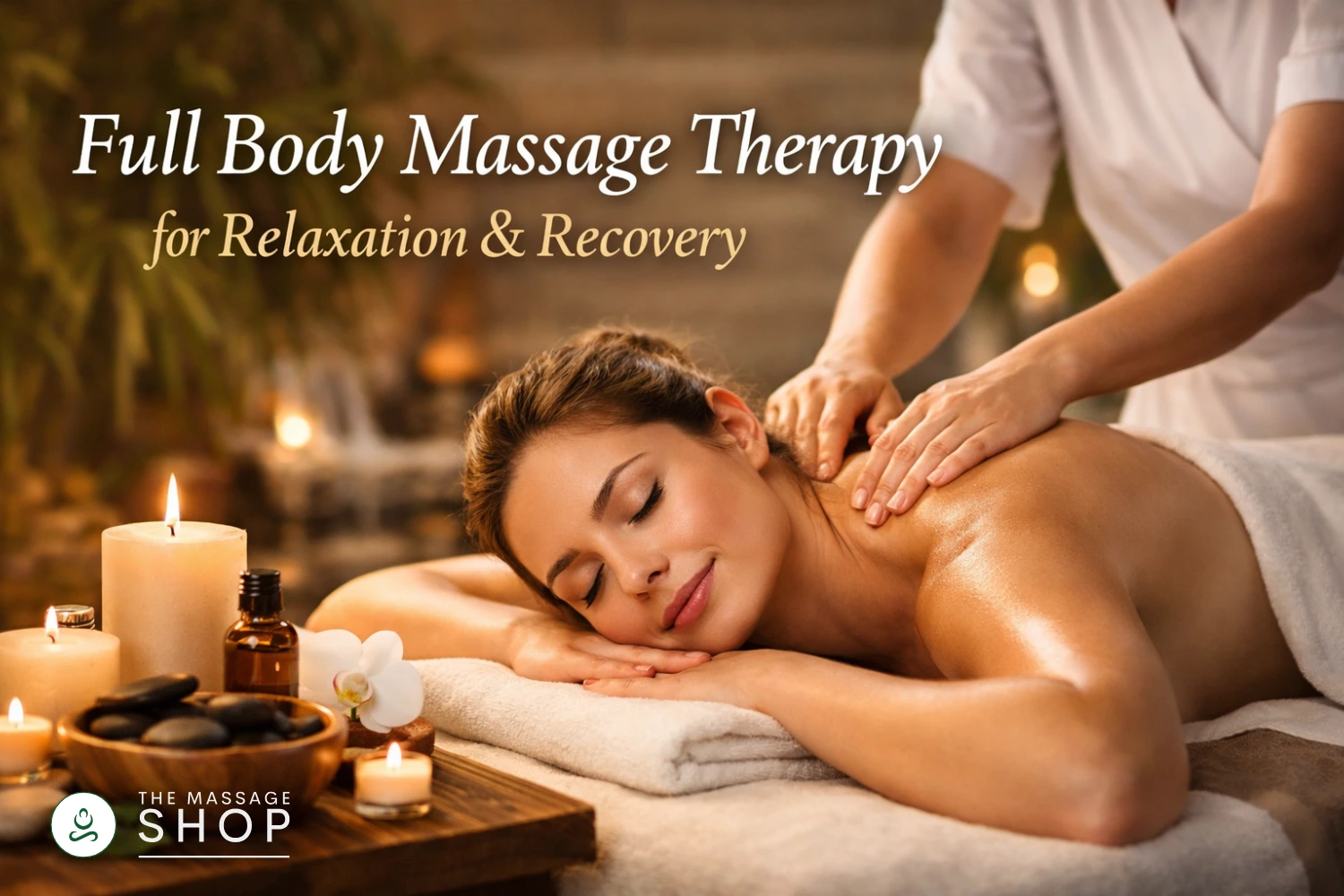



How Relaxation Massage Helps Calm the Nervous System
Life today rarely slows down. Between long workdays, constant screen time, lack of proper sleep, and everyday emotional pressures, our bodies are almost always under stress. Many of us stay stuck in “survival mode” without even realising it. This is where relaxation massage can make a real difference. It’s not just about easing sore muscles—relaxation massage helps calm the nervous system, allowing the body to feel safe, relaxed, and truly at rest again. In this blog, we’ll explore how relaxation massage gently soothes the nervous system, the science behind its calming effects, and why massage for nervous system health is becoming a necessity in modern life. If you’re struggling with anxiety, burnout, poor sleep, or constant tension, understanding how massage therapy supports nervous system balance can help you make smarter, more mindful choices for your wellbeing. The nervous system controls how your body responds to the world around you. It has two key branches: This system activates during stress. Your heart rate increases, muscles tighten, breathing becomes shallow, and stress hormones like cortisol rise. This system promotes relaxation, healing, digestion, and recovery. Heart rate slows, breathing deepens, and the body feels safe. Modern lifestyles overstimulate the sympathetic nervous system. Relaxation massage works by activating the parasympathetic response, restoring balance through targeted touch, rhythm, and pressure. Relaxation massage uses slow, flowing strokes that signal safety to the brain. This reduces overactivity in the sympathetic nervous system and activates the parasympathetic response, allowing the body to unwind naturally. High cortisol keeps the nervous system on edge. Research shows that massage therapy reduces cortisol while increasing serotonin and dopamine—neurochemicals linked to calmness and emotional stability. The vagus nerve is a major regulator of nervous system balance. Gentle massage techniques stimulate vagal tone, improving emotional regulation, digestion, heart rate variability, and stress resilience. Relaxation massage shifts brain waves from high-alert beta states to calming alpha and theta waves. This is why many people feel deeply relaxed—or even drift into sleep—during a session. When stress becomes chronic, the nervous system loses flexibility. You may feel “stuck” in anxiety, fatigue, or restlessness. Massage therapy for nervous system balance works by restoring rhythm and communication between the brain and body. Reduced anxiety and nervous tension Improved emotional regulation Better sleep quality Lower blood pressure and heart rate Enhanced sense of safety and grounding Unlike quick fixes, relaxation massage supports long-term nervous system health when done consistently. Human touch is essential for nervous system regulation. Gentle, intentional touch sends reassurance signals to the brain, lowering defensive responses. Slow, repetitive movements create predictable sensory input, which calms overstimulated nerves and reduces sensory overload. Unlike deep tissue techniques, relaxation massage uses light to moderate pressure, preventing pain signals that could activate stress responses. Massage naturally encourages slower breathing, which further activates the parasympathetic nervous system and deepens relaxation. Massage for nervous system health is increasingly recommended for people experiencing: Anxiety and panic disorders Chronic stress and burnout Insomnia and sleep disturbances Nervous fatigue Tension headaches Mild depression Relaxation massage does not replace medical treatment but complements it by supporting the body’s natural healing mechanisms. For nervous system regulation, relaxation massage remains the most reliable option. For nervous system benefits, consistency matters more than intensity. General guidelines: High stress or anxiety: once a week Moderate stress: every 2–3 weeks Maintenance and prevention: once a month Even a single relaxation massage session can calm the nervous system, but regular sessions create lasting balance. Integrating relaxation massage into your wellness routine supports: Emotional resilience Better focus and productivity Improved sleep-wake cycles Reduced physical tension Many clients seeking Relaxation massage in bendigo include professionals, caregivers, students, and seniors who need gentle nervous system support without aggressive techniques. A trusted provider like The Massage Shop focuses on creating a calming environment where the nervous system can truly reset. A dysregulated nervous system disrupts sleep. Relaxation massage improves sleep by: Lowering cortisol at night Increasing melatonin production Reducing nighttime muscle tension Quieting racing thoughts This leads to deeper, more restorative sleep and improved mental clarity during the day. Over time, massage therapy for nervous system balance can: Improve stress tolerance Reduce emotional reactivity Enhance body awareness Support immune function Promote long-term mental wellbeing These benefits compound when massage is combined with hydration, gentle movement, and mindful breathing. Relaxation massage activates the parasympathetic nervous system, lowers cortisol, improves vagus nerve function, and promotes calming brain waves. Yes. Relaxation massage is one of the most effective non-invasive ways to reduce anxiety by calming overactive stress responses. Benefits can last several days. With regular sessions, nervous system balance improves long term. Absolutely. Relaxation massage improves sleep by calming the nervous system and regulating stress hormones. Generally yes. It uses gentle techniques suitable for most people, including those sensitive to pain or stress. A calm nervous system is the foundation of physical, emotional, and mental health. Relaxation massage offers a proven, natural way to bring the body out of survival mode and into healing. By supporting nervous system balance through gentle touch, rhythmic movement, and intentional care, relaxation massage becomes more than a luxury—it becomes a vital wellness tool. If your body feels constantly tense, your mind restless, or your sleep disrupted, relaxation massage may be the reset your nervous system needs.Understanding the Nervous System and Stress Response
1. Sympathetic Nervous System
2. Parasympathetic Nervous System
How Relaxation Massage Affects the Nervous System
1. Activates the Parasympathetic Nervous System
2. Lowers Cortisol Levels
3. Improves Vagus Nerve Function
4. Regulates Brain Activity
Relaxation Massage and Nervous System Balance
Benefits of Nervous System Balance Through Massage
Why Relaxation Massage Feels So Calming
1. Therapeutic Touch
2. Rhythmic Strokes
3. Controlled Pressure
4. Breath Synchronization
Massage for Nervous System Conditions
Relaxation Massage vs Other Massage Styles
How Often Should You Get Relaxation Massage?
Relaxation Massage in Daily Stress Management
How Relaxation Massage Supports Sleep and Mental Clarity
Long-Term Nervous System Benefits of Relaxation Massage
FAQs: Relaxation Massage and the Nervous System
1. How does relaxation massage calm the nervous system?
2. Is relaxation massage good for anxiety?
3. How long do nervous system benefits last after massage?
4. Can massage therapy help with sleep problems?
5. Is relaxation massage safe for everyone?
Final Thoughts