


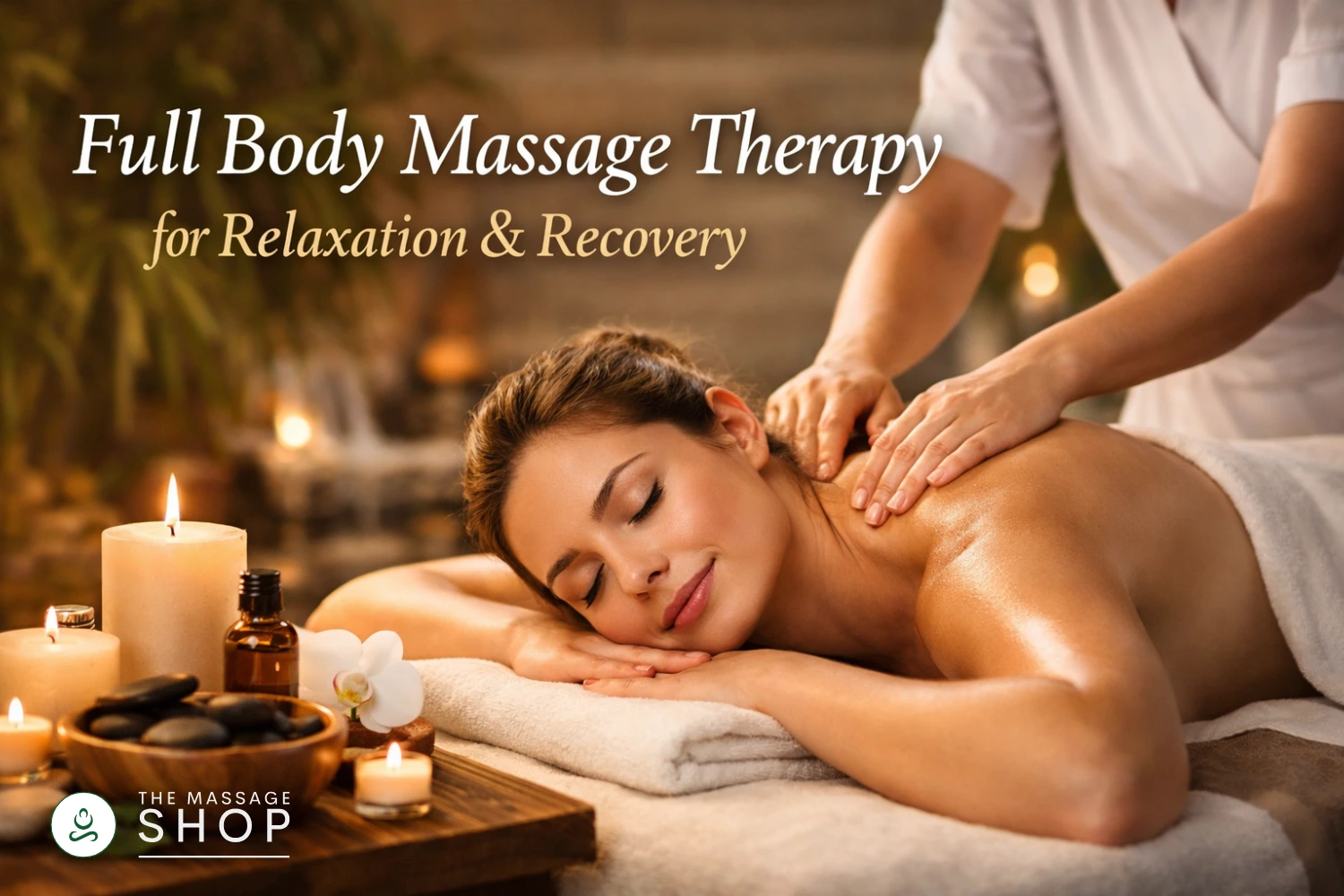
Full Body Massage Therapy for Relaxation and Recovery
In today’s fast-paced lifestyle, stress, muscle fatigue, and mental exhaustion have become part of everyday life. This is where full body massage therapy plays a powerful role. A professionally delivered full body massage not only relaxes your muscles but also restores balance to your mind and body. Whether you are recovering from physical strain or simply looking to unwind, full body massage therapy offers a holistic solution for relaxation and recovery. This in-depth guide explains how full body massage works, its benefits, techniques, recovery advantages, and what to expect from a session—making it useful for both first-time clients and regular wellness seekers. Full body massage therapy is a hands-on treatment that targets all major muscle groups, joints, and pressure points of the body. It usually includes the back, shoulders, neck, arms, legs, feet, hands, and sometimes the scalp and face. The goal of a full body massage is to relieve tension, improve circulation, promote relaxation, and support overall recovery. Unlike localized treatments, a full body massage works on the entire system. This makes it ideal for people experiencing general fatigue, stress, stiffness, or post-workout soreness. Many people visit a trusted massage center to enjoy a tailored experience based on their physical and emotional needs. Relaxation is one of the most immediate and noticeable benefits of a full body massage. As the therapist applies rhythmic strokes and controlled pressure, the nervous system begins to calm down. This activates the parasympathetic response, often referred to as the “rest and digest” mode. Reduces stress hormones like cortisol Promotes deep mental calm and emotional balance Improves sleep quality and reduces insomnia Releases muscle tension caused by daily stress Regular full body massage sessions can help retrain your body to relax more easily, even outside the therapy room. Beyond relaxation, full body massage is widely used for physical recovery. Athletes, professionals with desk jobs, and individuals with physically demanding routines benefit greatly from its restorative effects. A full body massage increases blood flow, delivering oxygen and nutrients to tired muscles. This helps reduce inflammation, flush out toxins, and speed up recovery. For those dealing with chronic pain or stiffness, massage therapy can significantly improve mobility. There is no one-size-fits-all approach to full body massage. Therapists customize techniques based on your needs, comfort level, and wellness goals. This is the most common and relaxation-focused style. It uses long, flowing strokes and gentle kneading to promote calmness and circulation. This technique targets deeper muscle layers and connective tissues. It is ideal for chronic pain, muscle stiffness, and recovery from intense physical activity. Many clients who need deeper muscle work also explore options like deep tissue massage Bendigo, which focuses on releasing long-standing muscle knots and deep tension. Combining deep tissue techniques with a full body massage plan can enhance recovery outcomes. Essential oils are used to enhance relaxation and emotional balance. Different oils can support sleep, stress relief, or energy restoration. Designed for active individuals, this style improves flexibility, prevents injuries, and supports faster muscle recovery. A full body massage is not just physical—it deeply impacts mental and emotional well-being. The therapeutic touch helps release emotional stress stored in the body, creating a sense of grounding and clarity. Reduces anxiety and mental fatigue Enhances mood and emotional stability Improves focus and mental clarity Encourages mindfulness and self-awareness For people experiencing burnout or emotional overload, regular visits to a professional massage center can be a powerful form of self-care. If you are new to full body massage, knowing what to expect can help you feel comfortable and confident. You may discuss your health history and preferences The therapist will ask about pressure levels and focus areas You will be given privacy to get comfortable Soft music and a calm environment promote relaxation The therapist works systematically across the body Pressure is adjusted based on your comfort You may feel deeply relaxed or slightly sleepy Drinking water helps flush out toxins Mild soreness can occur, especially after deeper work The frequency of full body massage depends on your lifestyle, stress levels, and physical condition. For stress relief: once every 2–4 weeks For muscle recovery or pain management: weekly or bi-weekly For overall wellness: monthly maintenance sessions Consistent massage therapy provides long-term benefits rather than just temporary relief. When practiced regularly, full body massage contributes to long-term physical and mental health. It supports better posture, improved circulation, stronger immunity, and balanced nervous system function. People who integrate massage therapy into their wellness routine often report improved energy levels, reduced pain, and a better quality of life. Selecting the right massage center is essential for a safe and effective experience. Look for trained therapists, clean facilities, and personalized consultation options. If you have specific recovery needs, such as muscle tightness or sports-related strain, choosing a trusted provider like Massage Shop Bendigo can help ensure better results and a more tailored therapy experience. A full body massage is a therapeutic treatment that works on all major muscle groups to promote relaxation, recovery, and overall wellness. Yes, full body massage is highly effective for reducing stress, calming the nervous system, and improving mental well-being. Absolutely. Full body massage improves circulation, reduces muscle tension, and supports faster recovery from pain or stiffness. Most full body massage sessions last between 60 to 90 minutes, depending on your needs and preferences. Yes, full body massage is suitable for beginners. Therapists adjust pressure and techniques to match your comfort level. It can be. Many therapists combine techniques or recommend specialized options like Deep Tissue Massage Bendigo for deeper muscle work. Full body massage therapy is more than a luxury—it is a practical and effective approach to relaxation, recovery, and long-term health. Whether you are managing daily stress, recovering from physical strain, or simply prioritizing self-care, incorporating full body massage into your routine can transform how your body feels and functions. With the right therapist and consistent sessions, full body massage becomes a powerful investment in your overall well-being.What Is Full Body Massage Therapy?
How Full Body Massage Promotes Relaxation
Key Relaxation Benefits of Full Body Massage
Full Body Massage for Physical Recovery
Muscle Recovery and Pain Relief
Types of Full Body Massage Techniques
Swedish Full Body Massage
Deep Tissue Full Body Massage
Aromatherapy Full Body Massage
Sports Full Body Massage
Mental and Emotional Benefits of Full Body Massage
Emotional Wellness Advantages
What to Expect During a Full Body Massage Session
Before the Session
During the Session
After the Session
How Often Should You Get a Full Body Massage?
Full Body Massage and Long-Term Health
Choosing the Right Massage Center
Frequently Asked Questions (FAQs)
1. What is a full body massage?
2. Is full body massage good for stress?
3. Does full body massage help with muscle pain?
4. How long does a full body massage session last?
5. Can beginners try full body massage?
6. Is deep tissue massage included in full body massage?
Final Thoughts